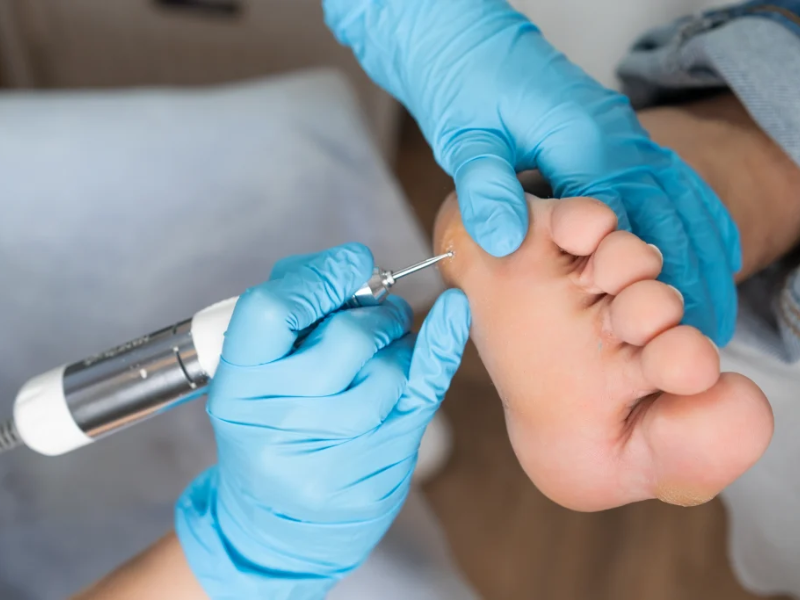
Protect Your Feet from Diabetic Complications
Diabetes can affect the nerves and blood circulation in the feet, increasing the risk of wounds, infections, ulcers and other serious complications. Early detection and proper foot care can help prevent these problems from becoming severe. Regular foot examinations, proper footwear, daily foot inspection and timely medical attention are important for people living with diabetes. At our clinic, specialized podiatric care focuses on preventing, diagnosing and managing diabetic foot problems, including complex ulcers and limb-threatening conditions, with the goal of protecting foot health, mobility and quality of life.
Book Diabetic Foot ConsultationUnderstanding Diabetes & Its Impact
Diabetes has reached epidemic proportions worldwide. Understanding the facts about diabetes, its diagnosis, treatment and complications can help people take timely steps towards better health.
The Prevalence of Diabetes Has Reached Epidemic Proportions
WHO predicts that developing countries will bear the brunt of the diabetes epidemic in the 21st century. More than 70% of people with diabetes live in low- and middle-income countries.
Global Diabetes Burden
An estimated 285 million people, corresponding to 6.4% of the world's adult population, were projected to live with diabetes in 2010. This number was expected to rise to 438 million by 2030.
Regional Differences
While the global prevalence of diabetes was estimated at 6.4%, prevalence varied considerably between regions. Developing regions were expected to experience a major increase in diabetes cases.
Diabetes in India
The original IDF data reported India as having one of the world's largest diabetes populations, with an estimated 50.8 million people living with diabetes at that time.
Age Group
The largest age group affected by diabetes was reported to be between 40 and 59 years. The original projection expected this burden to increasingly affect older age groups.
Major Health Concern
Diabetes is one of the major causes of premature illness and death worldwide and contributes significantly to the global burden of non-communicable diseases.
Why Awareness Matters
Early diagnosis, appropriate treatment, healthy eating, physical activity and regular monitoring can help reduce the risk of diabetes-related complications.
Lack of Sufficient Diagnosis and Treatment
In developing countries, less than half of people with diabetes were historically diagnosed. Without timely diagnosis and adequate treatment, complications can increase significantly.
Type 2 diabetes can remain undetected for many years, with diagnosis sometimes occurring only after associated complications or an abnormal blood or urine glucose test.
Type 2 diabetes accounts for the majority of diabetes cases and may represent an even higher proportion in low- and middle-income countries.
A large proportion of type 2 diabetes cases can be prevented or delayed through healthier dietary habits, increased physical activity and improved living conditions.
Insulin is vital for people with type 1 diabetes and may eventually be required by people with type 2 diabetes. Access to uninterrupted insulin remains an important healthcare challenge in many parts of the world.
Diabetes Can Be a Significant Burden for Families
Diabetes affects more than individual health. The disease can create financial, social and economic challenges for patients, families and communities.
Financial Impact
The financial burden of diabetes and its treatment can vary depending on economic conditions and the healthcare system of each country.
Impact on Families
In poorer countries, people with diabetes and their families may have to bear a large proportion of the cost of medical care they can afford.
Economic Consequences
Diabetes can result in lost productivity, disability and loss of life, creating wider economic consequences for communities and countries.
Long-Term Health Burden
Without effective prevention and control programmes, diabetes and other non-communicable diseases can continue to increase the overall health burden.
Take Care of Your Feet When You Have Diabetes
Diabetes can increase the risk of foot-related complications. Regular foot examination, proper foot care, appropriate footwear and timely medical attention are important parts of maintaining healthy feet.